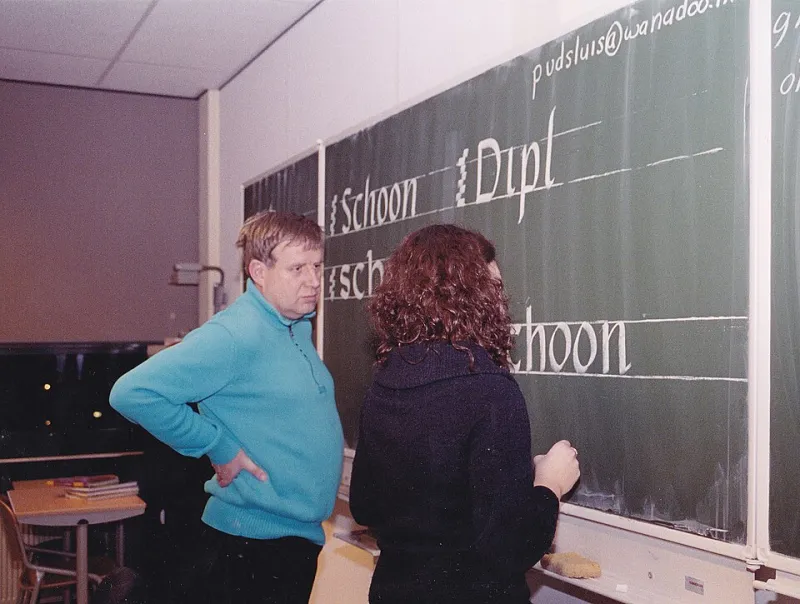
Spatial Memory and the Blackboard: How Strategic Layout Turns Classroom Walls Into Cognitive Architecture
Neuroscience has long established that the brain encodes spatially organized information more durably than linear text — and the blackboard may be the most underutilized tool for exploiting that fact. This article examines how deliberate visual hierarchy on the board creates the kind of cognitive scaffolding that helps students retrieve knowledge days, weeks, and even months after a lesson ends.